Crystal Vase Quality: A Buyer's Guide (With Mistakes I Made on Mikasa Orders)
2026-07-28 · Elise Laurent
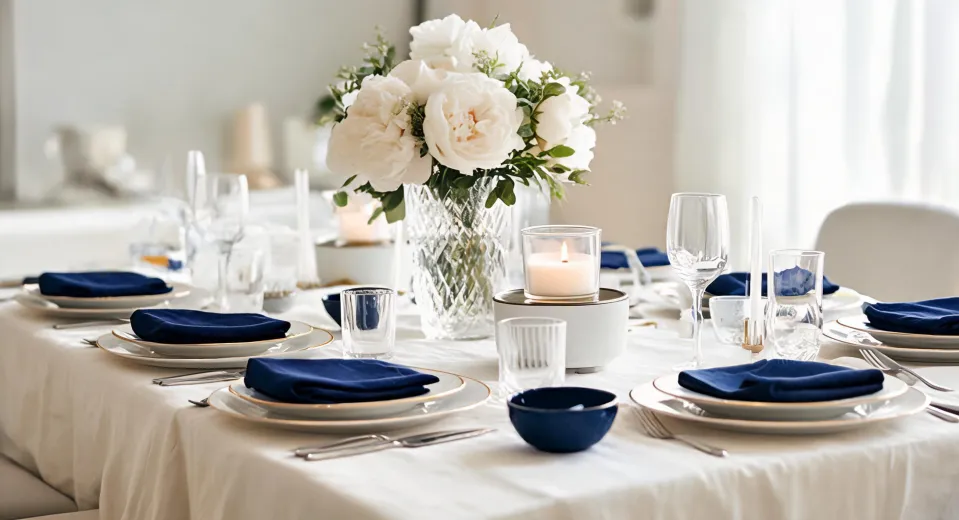
I once ordered 45 crystal vases for a company's annual appreciation event. Each one looked stunning in the product photo – perfectly clear, elegant cuts, weight promising quality. They arrived in time, we assembled the gift bags, and the CEO personally handed them out.
Three weeks later, we had seven returns. Two vases chipped during routine cleaning. One had an internal crack that only showed under direct light. Four just felt... wrong. I still remember the feedback: 'It looked cheap in person.' $3,200 worth of goodwill, straight down the drain.
That's when I stopped trusting spec sheets and start trusting my own inspection process. And that's why I'm writing this for you – whether you're buying for a wedding, a corporate client, or just to match that beautiful Mikasa Huntington bone china set you found.
Here's the thing about evaluating crystal vase quality: there's no single checklist that works for every situation. The 'best' vase for a quick executive gift is different from the 'best' one for a long-term display piece. So instead of a generic guide, I'll walk you through three common scenarios – with the exact mistakes I made in each one, so you don't repeat them.
Scenario A: Corporate Gifts on a Tight Deadline
You've got an event in two weeks, and you need 30–50 vases – branded or paired with something like a Mikasa photo frame. The priority isn't perfection; it's timely delivery and no visible defects.
What I screwed up – In my first year (2017), I went with the cheapest vendor who promised delivery in 10 days. The vases arrived on day 12 (after three anxious phone calls), and two had bubbles inside the crystal. I didn't notice until after distribution. The lesson: when you're racing a deadline, certainty beats cost every time.
In March 2024, we paid $400 extra for rush delivery from a reputable supplier. Alternative was missing a $15,000 client event. Worth every cent. That's the time certainty premium – you're not just paying for speed, you're buying a guarantee that your gift won't become an embarrassment.
How to evaluate quality under pressure:
- Weight check: A proper crystal vase should feel heavier than expected for its size. Lightness often means thin walls or low lead content. Skip anything under 1.5 pounds for a 10-inch vase.
- Bottom finish: Flip it over. If the base is rough or has sharp edges, the manufacturer cut corners. Smooth, polished bases are a sign of quality – and fewer chipping complaints.
- Light test: Hold the vase near a lamp or window. Look for tiny bubbles, wavy distortions, or cloudiness. Clear crystal should be almost invisible.
But here's the kicker: you can't afford to inspect 50 items individually during a rush. So order a sample first. I didn't – that's mistake #1. Order one vase from the batch, put it through the light test, then approve the bulk. Paying extra for sample delivery is still cheaper than eating 7 returns.
Scenario B: Matching Your Mikasa Dinnerware (Pattern & Style)
If you already own a Mikasa Huntington bone china set – or any of their patterned dinnerware – you know the challenge: finding a crystal vase that doesn't clash with the blue floral border or the delicate gold rim.
I once bought a set of 'crystal' vases that turned out to be soda-lime glass with a cheap laser-etching. They looked fine in the store, but next to the Mikasa dinnerware, the difference was obvious. Like a polyester tie next to a silk suit.
What actually matters:
- Clarity & color: True crystal (with 24%+ lead oxide) has a distinctive clarity and 'ring' when tapped. Soda-lime glass looks slightly greenish in thicker sections, especially around the base. Hold a piece of your Mikasa china next to the vase – do the whites match? (Mikasa bone china is famously bright white; if the vase looks yellowish, skip it.)
- Cut quality: Patterned vases (like those with diamond cuts or floral motifs) should have crisp lines, not soft, rounded edges. Run your finger across the pattern – if you can feel the ridges cleanly, the cutting is good.
- Proportion: A tall, narrow vase (12–14 inches) works best on a dining table with a low centerpiece. A wide, squat vase (8–10 inches) is better on a sideboard near your Mikasa figurine collection. Measure your space before buying – I've ignored this and ended up with vases that look like awkward guests.
Here's a trick I learned after three wasted orders: match the finish. Mikasa's bone china often has a satin sheen. If your vase is ultra-glossy, the light reflection will fight the china's gentle lustre. Go for a semi-matte or medium gloss crystal – it's what I call the 'quiet companion' vase.
Scenario C: Investment Pieces & Collector Gifts
Sometimes you're not buying for next week's event – you're buying a piece that could be handed down. Maybe it's a retirement gift for a top client, or a personal addition to your china cabinet.
My big mistake: In 2022, I spent $1,100 on a 'hand-cut' crystal vase from a boutique brand. Turned out the cuts were machine-made with manual finishing. The difference? Hand-cut facets have subtle variations in depth; machine cuts are identical and often too sharp. I learned that from a glassmaker at a trade show – and felt like an idiot.
What to check for long-term value:
- Lead content: Look for 'full lead crystal' (24%+ lead oxide) or 'lead-free crystal' with zinc oxide or barium. Both are fine – just know what you're buying. Lead-free is less sparkly but safer for food contact (if the vase might hold fruit).
- Hand-cut vs. pressed: Hold the vase up to a window. Hand-cut crystal will have slight asymmetries – that's beauty, not defect. Pressed glass (molded) has uniform, slightly blunted edges. For a gift that matters, pay the premium for hand-cut.
- Signature/logo: Reputable makers (including Mikasa's higher-end lines) often engrave a mark on the base. If you can't find one, ask the supplier. I've seen knockoffs with fake etching that rubs off with a fingernail – real ones are permanent.
Also – and this is counterintuitive – a slightly cloudy piece can be valuable. Crystal age‐hazes due to oxidation of the lead, but that's a sign of genuine antique (50+ years). For new pieces, zero cloudiness is expected.
How to Know Which Scenario You're In
This part is crucial, because applying the wrong checklist leads to wrong decisions.
You're in Scenario A (rush corporate) if:
- Your deadline is under 4 weeks
- You're buying 20+ identical vases
- Any single defect will make the gift feel cheap
- The recipient profile is 'all types' – you need broad appeal
You're in Scenario B (matching decor) if:
- You already own Mikasa (or similar) dinnerware or frames
- The vase will sit next to other pieces in a visible location
- You care about color harmony and proportion
- You have ≤5 units to buy (can inspect each)
You're in Scenario C (collector) if:
- You have time – at least 2 months before the gift occasion
- Budget is flexible (willing to pay 3–5x for quality)
- You want something that ages well
- You're buying for a single VIP recipient
If you're still unsure, ask yourself: what's the worst-case outcome? A chipped vase for a general corporate event is embarrassing. A mismatched vase next to a heirloom china set is annoying. A fake 'hand-cut' vase for your CEO's retirement party is disastrous. That question alone will tell you where to invest your scrutiny.
And if you ever find yourself staring at a product page with 27 photos and thinking 'this looks perfect' – stop. Order a sample first. I've saved our team roughly $4,700 in reorders and returns since I started the sample habit. Take it from someone who's thrown away enough crystal to fill a small museum.

Elise Laurent
Elise Laurent is a crystal and decorative glass quality analyst covering crystal figurines, vases, ornaments, suncatchers, and gift glassware. She examines ISO 6486-1 where food-contact glass dinnerware applies, then uses polarized strain inspection, dimensional checks, surface-defect grading, and refractive clarity to compare decorative pieces outside that scope. Her work helps sourcing teams choose materials, finishing routes, and protective packaging without confusing visual brilliance with verified durability.