Mikasa Corporate Gift Buying Guide: Tea Sets, Glass Figurines, and Merry Christmas China
2026-09-04 · Elise Laurent
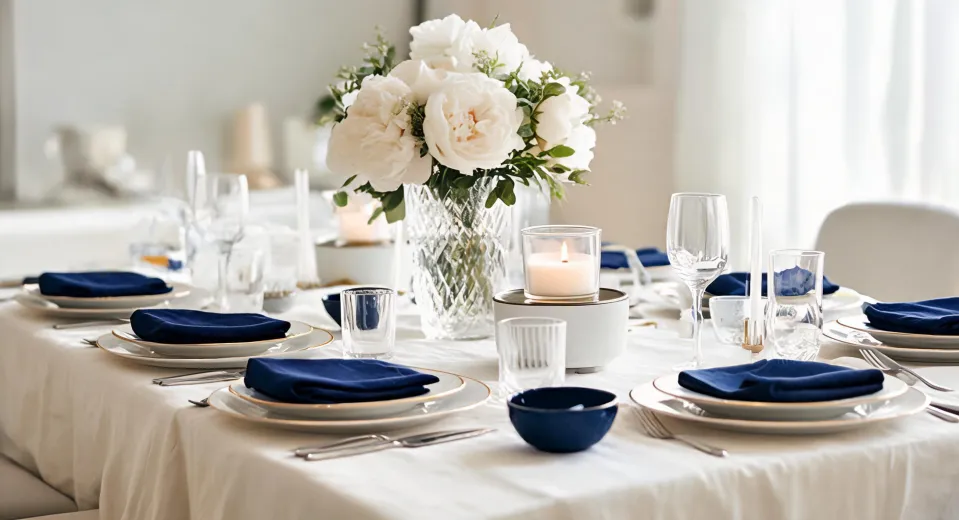
If you manage corporate gifts and someone suggests Mikasa, don't nod along assuming it's the same as ordering wedding china. Mikasa has a wider catalog than most buyers realize: fine dinnerware, seasonal Christmas plates, tea sets, glass figurines, trinket dishes, and frames. After several years of ordering this brand for clients and internal milestones, I can give you a practical rule: Default to tea sets and trinket dishes; keep glass figurines for people who actually collect them; and save Mikasa Merry Christmas China for known Christmas celebrants, not for the whole client list. The rule matters because the brand is not complicated to work with, but the gift choice is where everything goes wrong.
I'm the office administrator for a 140-person architecture and engineering consultancy. I took over purchasing in 2020 and now manage client gifts, retirement plaques, new-hire kits, and breakroom supplies. Roughly $60,000 a year goes through my purchase orders across 7 vendors, and I report to both operations and finance, which is a polite way of saying bad packaging and unapprovable invoices land on my desk, not my boss's.
Why Mikasa stays on my vendor list
Mikasa is not the cheapest option in any category. That's fine. My job is not to buy the lowest-priced gift; it's to avoid gifts that make the company look careless. With Mikasa, the product usually arrives well-packed and looking like the photo. That matters more than a small discount when you need to send 20 identical pieces to three office locations.
I also appreciate that small orders don't seem to annoy them. In 2023, I placed a trial order for one tea set, two trinket dishes, and a glass figurine while I was testing new gift ideas. The total was under $500, if I remember correctly, and nobody treated it like a nuisance. That kind of small-order friendliness is rare in the corporate gift space. Some vendors won't talk to you unless you're buying in five-figure quantities.
What I order again and again
Mikasa's product catalog is broad enough to be useless for an office buyer. After real orders, here is what I keep going back to:
Mikasa tea set. The tea set is the closest thing to a neutral corporate gift. It says careful and considered without trying to match the recipient's living room. I bought a Mikasa tea set for a client who hosted an open house, and the office manager later sent a thank-you note that mentioned everyone wanted the teapot. The teapot.
Trinket dish. A trinket dish doesn't photograph well and doesn't sound impressive on a receipt, but it is the item people actually use. I ordered a batch of Mikasa trinket dishes for employee five-year awards because I needed something that didn't assume gender or taste. They worked. People keep them by the door for keys or on a bathroom counter for rings, and every time they notice the little dish, it reminds them of the milestone.
Glass figurine. This is the one I almost always steer non-enthusiasts away from. A glass figurine is not a safe group gift. It communicates that you thought about this person as an individual, and if you're wrong, it feels either too personal or too fragile. I do order a glass figurine for retirees and for two clients who are serious collectors, but it should be a targeted purchase, not an item on a bulk buying list.
Mikasa Merry Christmas China is not a generic holiday gift
Let me be direct: Mikasa Merry Christmas China is exactly the kind of pattern that delights someone who already sets a holiday table and confuses everyone else. It is Christmas-specific by design. If your recipient celebrates Christmas and hosts meals, you are giving them something they might treasure. If they don't, or if they live in a small apartment without storage, that pretty plate becomes an obligation.
I made this mistake once early on. I thought holiday china worked as a holiday gift to a general list. It did not. We had to exchange several items, and one client later asked for a tea set instead. After that, I order Mikasa Merry Christmas China only when a person has mentioned collecting the pattern or I have seen their home in December.
Read the care information before you choose a finish
My rookie mistake happened early. I picked a Mikasa pattern with a platinum rim because it looked more expensive than plain white. I didn't check the care label. When a trinket dish from that pattern went into the office dishwasher, the rim came out looking worn, and the finish could not be restored. The cost of replacing it plus the embarrassing explanation was much higher than the dish itself.
Mikasa product pages include care notes by category, and as of February 2025, I make a habit of checking those notes before ordering. If a piece is marked hand wash only or not for microwave use, trust it. If a gift is meant for an office kitchen, choose pieces without metal trim.
Speaking of office kitchens: the unrelated question I get more than I expected is does wax paper melt in the microwave. It feels like a silly question, but it's actually relevant when you send ceramic food items to clients and their teams use the breakroom microwave. Under ordinary microwave reheating, wax paper is accepted and won't melt the way plastic wrap does. The caveat is that the wax coating can soften if it touches hot sugar or oil directly. If you're covering a greasy pastry, use a paper towel or a vented microwave cover instead. If you're covering a cup of coffee, wax paper is fine.
One more boundary before you place a large order: don't assume a Mikasa piece will fit another person's collection. Fine china is personal. If someone already has a treasured tabletop style, sending them a specific pattern is risky. In that case, the better professional move is to admit that you don't know enough and offer a catalog choice or a Mikasa gift card.

Elise Laurent
Elise Laurent is a crystal and decorative glass quality analyst covering crystal figurines, vases, ornaments, suncatchers, and gift glassware. She examines ISO 6486-1 where food-contact glass dinnerware applies, then uses polarized strain inspection, dimensional checks, surface-defect grading, and refractive clarity to compare decorative pieces outside that scope. Her work helps sourcing teams choose materials, finishing routes, and protective packaging without confusing visual brilliance with verified durability.