Mikasa Holiday Splendor Bone China vs. Vintage Mikasa Crystal Vases: A Gift Buyer's Guide
2026-08-12 · Elise Laurent
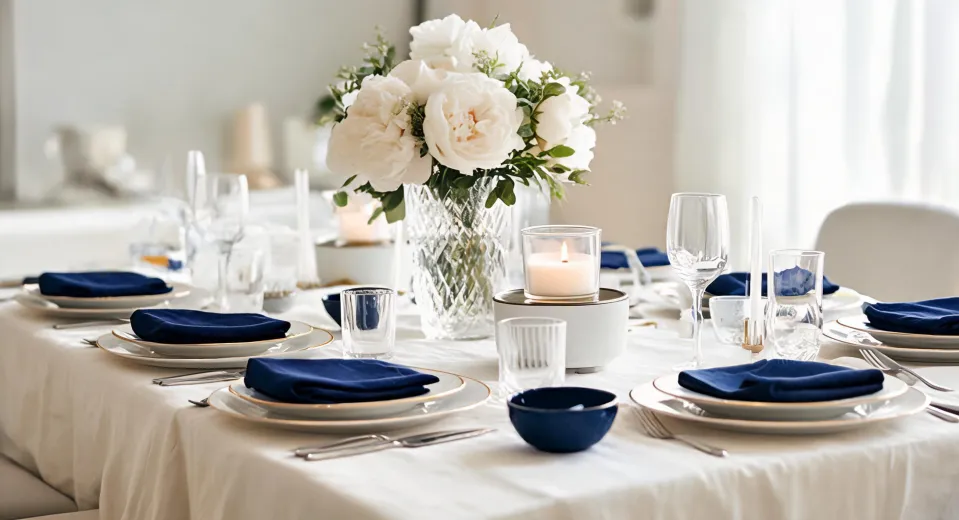
In my role coordinating corporate gifts, I keep a mental file of holiday panic calls. One Tuesday in November 2024, a client called at 2pm. They needed 80 gifts before a Thursday sales conference. Normal lead time for a tabletop order was five to seven days. We got it done with Mikasa bone china because the pieces were available, matching, and replaceable. A vintage Mikasa crystal vase would've looked stunning in the photos, but we didn't have time to track down 80 identical ones.
That's the split I want to explain here: Mikasa Holiday Splendor bone china vs. a vintage Mikasa crystal vase. Both are beautiful. Both carry the Mikasa name. But they are not the same kind of gift.
If you're choosing between them, stop asking 'which is prettier?' Ask: what is this gift supposed to do the morning after?
Why this comparison matters
Corporate gift buying is part technical, part emotional. If you pick a fragile but gorgeous piece, the recipient may feel special. If you pick a sturdy but generic one, it can feel like a catalog afterthought. So I use a short list of dimensions when advising clients: durability, care, aesthetic, supply, and price.
This isn't a lecture about porcelain. It's a framework I've learned from handling rush orders and, honestly, from a few mistakes.
Even after I chose bone china for that November order, I kept second-guessing. What if the client expected a 'wow' moment? I didn't relax until the boxes arrived intact and the photos came back. The client was thrilled. The lesson: wow matters, but reliability is what makes a gift a safe investment.
One of my rules after 200+ rush jobs: never assume 'vintage' means 'ready to gift.' I once approved a vintage Mikasa crystal suncatcher from a photo. When it arrived, a hairline crack only showed in direct sunlight. (note to self: verify crystals in natural light before promising.)
Side-by-side by dimension
1. Durability and everyday handling
Bone china gets a bad rap for being fancy. It's actually a dense, vitrified material with a meaningfully high amount of bone ash. Under the old British standard BS 5416, true bone china required at least 30% bone ash. That gives it a bright white body and more chip resistance than typical porcelain. It's not armor, but it handles catering, a dishwasher rack, and the occasional bump better than thin crystal.
Vintage Mikasa crystal vases are thinner and more delicate. They're made to catch light, not survive a buffet line. A crystal vase can last decades if handled with care. But one careless elbow near a buffet table can end it.
Verdict for this dimension: bone china wins if the gift will be handled. Crystal wins if it will sit on a shelf, admired from a distance.
2. Care requirements
This is where I tell clients to read the care code on the piece, not just the pattern name. Mikasa Holiday Splendor is a classic holiday table pattern, but if it has gold or metallic trim, the care rules change. Hand-wash, don't assume microwave-safe, and think twice before putting anything metallic-trimmed through a dishwasher.
Crystal is simpler: hand wash, avoid thermal shock, and don't move it from a hot room into cold water. The tricky part with crystal is not the daily cleaning; it's the moment someone thinks cleaning a crystal vase with boiling water is a good idea.
Verdict: no clear winner. Used a lot? Bone china with safe glazes. Displayed a lot? Crystal. If it's a holiday gift used once a year, both are acceptable if someone reads the care notes.
3. Aesthetic and emotional memory
Mikasa Holiday Splendor says 'we're having a real holiday dinner.' It's a pattern with a traditional, festive personality. It works beautifully when you're setting a table for 10 and want everything to feel coordinated. Bone china also photographs well, which matters for event photos and client recaps.
A vintage Mikasa crystal vase or crystal suncatcher does something different. It doesn't describe the event; it reflects light and makes a private, one-on-one impression. It feels less like a marketing gift and more like an antique store find you chose just for that person.
Verdict: if you need a whole moment, choose the tabletop set. If you need a personal moment, choose the crystal. This is the dimension where people are most surprised, because they usually expect me to push the china.
4. Supply and replacement
Here's where I get practical. If the gift breaks six days after delivery, can you replace it? Mikasa Holiday Splendor usually has replacement inventory because it's a collectible pattern; replacement dealers sell individual pieces, and current or recent production may be available. That gives you a safety net.
Vintage crystal doesn't have that safety net. You can find individual vintage Mikasa crystal vases and suncatchers on resale sites, but matching 20 identical ones is a genuine headache. I spent 2 hours once trying to find one more matching vase for a client's gift table and came up empty. (mental note: never promise exact vintage matches without seeing physical inventory.)
Verdict: bone china wins for logistics, and logistics matter in corporate gifting.
5. Price and perceived value
I've tracked vintage Mikasa crystal vases at estate auctions and resale sites from $25 to $140 in my 2023–2024 notes. A place setting of Holiday Splendor can run higher, depending on the pieces and the seller. The surprising finding: the crystal often costs less than the bone china, and its perceived value can be higher, because it's unique.
But unique works both ways. It's harder to build a coherent corporate gift program on one-of-a-kind vases than on a matching tabletop collection. If you're sending three gifts to the same client, they should feel like a set—not three entries from a garage sale.
Verdict: crystal gives you a bigger wow-per-dollar for a single impressive gift. Bone china gives you better consistency for a program.
A rapid filter for gift buyers
- Need 50 matching gifts by Friday? Choose bone china or another current-stock Mikasa item. Don't rely on vintage.
- Need one standout gift for an executive? Choose a vintage Mikasa crystal vase, if you can inspect it in person.
- Need to represent a holiday table? Choose Mikasa Holiday Splendor bone china.
- Need a decorative office gift? Choose a vintage Mikasa crystal suncatcher near a window.
How to remove the wax from a candle jar (because candle jars happen)
If someone gives a Mikasa candle holder, candle jar, or even a crystal piece that held a taper candle, the wax question will arrive eventually. Here's the method I put on our client care cards.
- Freeze the jar for one to two hours. The wax contracts when cold.
- Gently press on the wax with a butter knife. Most of the time it pops out in one piece.
- Wipe the remaining residue with a paper towel. For the last bit, use warm soapy water—or a drop of baby oil on a cloth.
- Never pour boiling water into a cold glass or crystal jar. It can crack the jar instantly.
That last tip is the one I emphasize. Thermal shock ruins more candle jars than wax ever does.
The Verdict
Mikasa Holiday Splendor bone china is the choice when you need a coordinated tabletop, consistent quantities, or a replaceable item. Vintage Mikasa crystal vases and suncatchers are the choice when you want a one-of-a-kind gift and you have time to source carefully.
In my world of same-day turnarounds and 'can we make the Friday deadline?', the safe answer is usually bone china. But I won't tell you to ignore vintage crystal. I just tell clients to buy it without pressure, inspect it under sunlight, and keep the backup plan ready.
And if you need a gift tonight? Don't be a hero. Go with what you can actually replace by Tuesday.

Elise Laurent
Elise Laurent is a crystal and decorative glass quality analyst covering crystal figurines, vases, ornaments, suncatchers, and gift glassware. She examines ISO 6486-1 where food-contact glass dinnerware applies, then uses polarized strain inspection, dimensional checks, surface-defect grading, and refractive clarity to compare decorative pieces outside that scope. Her work helps sourcing teams choose materials, finishing routes, and protective packaging without confusing visual brilliance with verified durability.