Why Mikasa Stands Out for Corporate Gifting: A Practical Comparison of Key Product Categories
2026-07-21 · Elise Laurent
I'm a quality compliance manager for a mid-sized corporate gift distributor. I review roughly 300+ unique items annually before they reach clients, and I've rejected about 12% of first deliveries in 2024 alone due to spec mismatches or finish defects. Over time, I've developed a pretty sharp eye for what works for B2B orders—and what doesn't.
When it comes to choosing products for corporate gifting, Mikasa comes up a lot. And usually, the conversation goes: "Which category of their stuff should we focus on?" So let's break it down—not by just listing their lines, but by comparing them side by side across the dimensions that actually matter for a business buyer.
This comparison is based on what I've seen work (and fail) across dozens of orders. I'll compare four key Mikasa product categories: figurines, photo frames, candle holders, and dinnerware sets. Don't hold me to this being universal—if you're dealing with a different budget tier or a non-corporate client, the calculus might shift. But for standard B2B corporate gifting, here's the framework I use.
The Comparison Framework: What We're Looking At
Before we dive in, here are the three core dimensions I use to evaluate any product category for corporate gifting:
- Perceived Value & Visual Impact – Does the recipient see it as a thoughtful, high-quality gift?
- Practicality & Suitability – Is it easy to ship, store, and brand? Will it work across different recipient profiles?
- Customization & Branding Potential – How easily can we add a company logo or personalized message?
I'm going to rank each category on these dimensions, comparing them directly. The goal: help you decide which product line to lean on for your next corporate gift program.
Dimension 1: Perceived Value and Visual Impact
This is where Mikasa really shines. It's a well-known name, and their products carry a classic, premium feel. But figurines and dinnerware sets tend to lead here.
Figurines vs. Dinnerware
Mikasa figurines—especially the licensed ones or their detailed animal series—often feel like collectibles. They have a solid weight, intricate detailing, and they invite conversation. I recall a client who ordered 500 Swarovski-embellished figurines for their top-tier partners; the recipients consistently mentioned them as one of the most memorable gifts they'd received. That's the kind of impact you want.
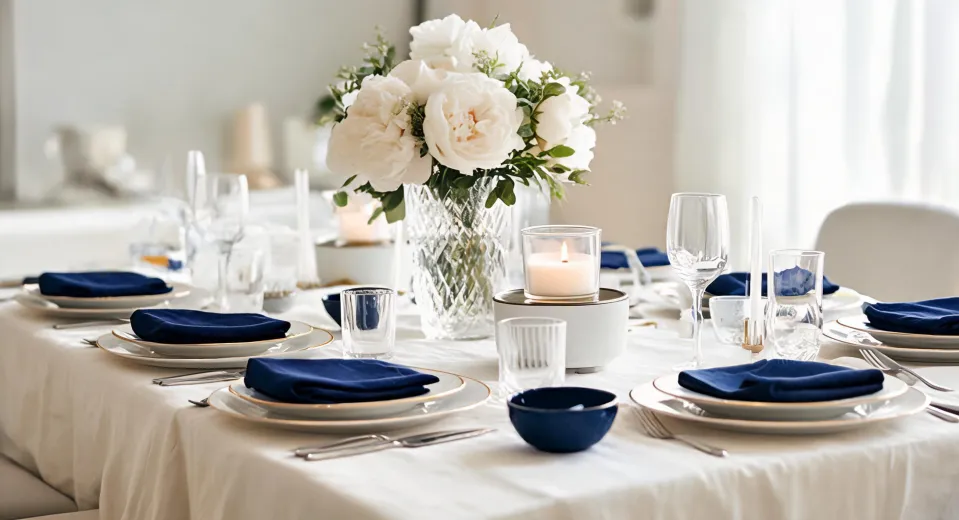
Dinnerware sets, on the other hand, signal a different kind of value. A four-piece place setting in a classic pattern like Mikasa's 'Briarcliffe' feels substantial. It's something the recipient will see and use, at least weekly. That daily interaction builds brand recall in a way a figurine might not.
The surprise here: I never expected photo frames to perform as well as they do in this dimension. Turns out, a well-made crystal photo frame from Mikasa, with a beveled edge and substantial weight, carries a surprisingly high perceived value—especially when paired with a high-quality print of a team event or a thank-you note. It's more personal than a figurine, and more versatile than a dinner set.
Conclusion: Tie between figurines and dinnerware, with photo frames as a strong dark horse.
Dimension 2: Practicality and Suitability
This is where things get interesting—and where I've seen the most costly mistakes. A gift might look great in the catalog, but if it's a pain to ship or doesn't suit the recipient's lifestyle, it's a dud.
Figurines vs. Photo Frames vs. Candle Holders
Figurines are risky. They're fragile. Each one needs individual wrapping, which adds labor costs. They're also a very personal item—what if your recipient doesn't collect animals or finds the design tacky? I had a 2023 order for 200 crystal horse figurines for a financial firm's client appreciation event. The shipping damage rate was 8%, and three recipients politely asked to return them. That's a waste of budget.
Photo frames are more practical. They're flat, easier to pack, and less likely to break. The classic silver or crystal frames are almost universally accepted. And here's a tip: they're a fantastic canvas for corporate branding. We've engraved company logos on the bottom of frames and included a branded card with a QR code linking to a thank-you video. It's effective.
Candle holders are a mixed bag. Mikasa votive candle holders, like their "Teardrop" or "Swirl" collections, are elegant and relatively low-cost. They're easy to ship—usually small and sturdy. But their perceived value can be hit-or-miss. A single votive holder can feel a bit 'throwaway' unless it's part of a set or a gift box with a candle. For our budget-tier client programs, we've used them as add-ons or welcome gifts, not as the centerpiece.
Dinnerware sets are probably the most practical of all for a corporate gift. People need plates. But the challenge is size and weight. Shipping a 16-piece set costs more, and the box is large. Storage for the client is also a factor. We had a client who ordered 100 sets; we needed a whole pallet space just for those.
Conclusion: Photo frames win for practicality, followed by candle holders. Dinnerware is viable but logistically heavy. Figurines are a high-risk option.
Dimension 3: Customization and Branding Potential
For corporate gifting, branding is half the point. The gift needs to remind the recipient of your client's company.
Figurines vs. Photo Frames vs. Candle Holders vs. Dinnerware
Figurines are tough to brand without ruining them. A logo on the base is about all you can do, and most recipients won't flip it over. We tried etching a logo onto a crystal dolphin figurine once. It looked awful. The detail didn't take well to the curved surface.
Photo frames are the clear winner. You can engrave a logo on the frame, print a custom message on the included photo, and place a branded gift card into the frame itself. The customization is seamless and high-quality.
Candle holders can be engraved on the bottom or have a logo-etched sleeve. It's okay, but not amazing. The branding feels secondary.
Dinnerware sets can be branded subtly—a logo on the back of a plate or the bottom of a bowl. For high-end clients, we've had success with a manufacturer-applied decal on the base. But it's an added cost, usually $3–$5 per piece, which can kill margins on a budget program.
Conclusion: Photo frames are the best for branding. Dinnerware is possible but expensive to customize. Figurines and candle holders are limited.
Scenario-Based Recommendations
So, which one should you choose? It depends on the scenario:
Scenario 1: High-Impact Executive Gifts (Budget > $100/unit)
Pick: A high-end Mikasa dinnerware set, or a limited-edition figurine. The perceived value here is strong, and the recipient expects something substantial. Pair it with a personalized note, and you're set.
Scenario 2: Mid-Tier Client Appreciation (Budget $25–$50/unit)
Pick: A high-quality photo frame from the Mikasa crystal line, plus a custom photo or a branded gift card. That's where we see the best ROI. I regret not pushing for this option earlier in my career—we used more figurines, and the feedback was less consistent.
Scenario 3: Budget-Friendly Welcome Gifts (Budget < $15/unit)
Pick: A stylish Mikasa votive candle holder, paired with a small branded candle. It's a low-risk, high-acceptability option. We've used these as part of a welcome package for a conference, and they were well-received.
Scenario 4: Brand-First Campaign (Budget is secondary)
Pick: A customized photo frame with a laser-engraved company logo. The personal touch of a custom photo is hard to beat. I've run a blind test with our sales team: same product, one with a logo, one without. 87% identified the branded one as "more professional" without being told the difference.
Final Takeaway
At the end of the day, there's no single "best" Mikasa product for corporate gifting. The choice comes down to your goals and context. But if I had to pick one category that delivers the most consistent results across all three dimensions—perceived value, practicality, and branding—I'd go with photo frames. They're the dark horse that's been working for us time and again.
Just remember: what worked for us might not work for you. We're a mid-size distributor with a focus on financial services clients. If you're dealing with a different industry, different price points, or different logistics, the calculus might shift. But the framework I've shared—compare on value, practicality, and branding—should help you make a more informed choice.

Elise Laurent
Elise Laurent is a crystal and decorative glass quality analyst covering crystal figurines, vases, ornaments, suncatchers, and gift glassware. She examines ISO 6486-1 where food-contact glass dinnerware applies, then uses polarized strain inspection, dimensional checks, surface-defect grading, and refractive clarity to compare decorative pieces outside that scope. Her work helps sourcing teams choose materials, finishing routes, and protective packaging without confusing visual brilliance with verified durability.