Mikasa Corporate Gifting FAQ: Dinnerware, LED Candles, Ornaments, and DIY Home Fragrance
2026-08-27 · Elise Laurent
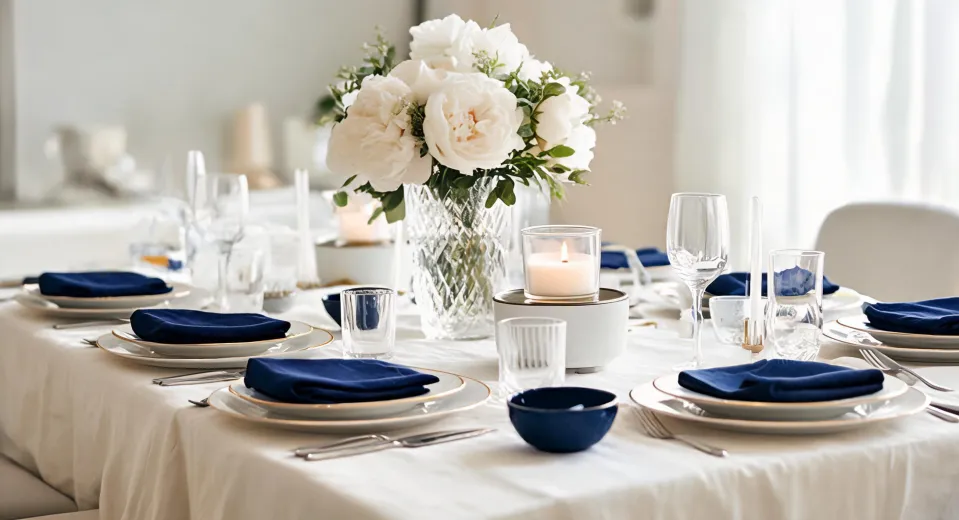
-
The Mikasa gift-order FAQ I wish someone gave me in 2021
-
Is the Mikasa Aliza 16-piece dinnerware set actually a good corporate gift?
-
Are Mikasa LED candles with remote worth the extra cost?
-
Why do people start asking about Christmas ornaments in September?
-
How to make your own home fragrance without turning a candle into a hazard
-
Why do rush orders cost more? (It's not what you think)
-
Should I send Mikasa dinnerware or a gift card?
-
Can I say "dishwasher safe" or "microwave safe" in my marketing copy?
The Mikasa gift-order FAQ I wish someone gave me in 2021
I've spent six years handling corporate gift orders, and for the first two of those, I was the source of most of my own problems. In 2021, I approved a $2,100 order of Mikasa dinnerware without checking the drop-ship lead time. It arrived eight days late, and I learned a lesson: brand reputation doesn't save you from logistics. If you've ever had a client ask, "Where are the ornaments?" and you didn't have an answer, this FAQ is for you.
Below are the questions I now ask before every Mikasa order. They cover the Aliza 16-piece dinnerware set, LED candles with remote, holiday ornaments, real candles, and a DIY home fragrance trick that won't create a liability.
Is the Mikasa Aliza 16-piece dinnerware set actually a good corporate gift?
It can be, if you know what you're buying. The Aliza set is 16 pieces, basically service for four: dinner plates, salad plates, bowls, and mugs. That makes it a solid choice for an office kitchen or a client who just moved into a new place. It's not a luxury statement; it's a reliable, neutral set that says "we thought about your everyday life."
The mistake I made was thinking bigger set equals more impressive. For a new-hire kit, a 16-piece set is overkill. For a two-person office, it's perfect. The real lesson: check whether replacement pieces are available before you order. I once approved a 16-piece set and one bowl arrived chipped. We couldn't find a single replacement bowl on the vendor's site, so we had to ship a whole set. That cost $320 plus an awkward client email. (Note to self: ask about replacements before approving, not after.)
People think the risk with dinnerware is the brand. Actually, the risk is the shipping. Worry more about box protection than about whether Mikasa is "good enough."
Are Mikasa LED candles with remote worth the extra cost?
Yes. Remote-controlled candles solve a real problem: clients don't want to crawl under a table to find a switch. If you've ever watched someone hold a lighter to a LED candle because they didn't know it had a remote, you know why this matters. (True story. It happened in a client's lobby.)
But remotes are a failure point. In Q4 2023, I had a batch where several button batteries were installed backwards. I checked one candle, approved the order, and didn't check the rest. That cost me a whole afternoon of fixes. Now I test one unit from every case and include a card that says: "Remove the plastic tab before use." Honestly, that one line saved more of my weekends than any other process change.
The efficiency angle: LED candles are the efficient choice because they don't require a person to monitor an open flame. The remote makes them feel like a real product, not a cheap substitute. I send them to almost every account in Q4.
Why do people start asking about Christmas ornaments in September?
Because late orders are a self-inflicted wound. Corporate budgets get approved in the fall, but personalized ornaments need extra time. Etched names add five to seven business days. If you wait until Thanksgiving to order, you'll pay for expedited shipping and still miss the client's holiday party.
Another thing to watch: ornament dimensions. A four-inch glass ornament makes a nice keepsake. A two-and-a-half-inch one gets lost in a gift box. But a bigger ornament needs a bigger box, and that costs more. I've seen a beautiful ornament arrive with a bent hook because someone saved $0.50 on packaging.
I have mixed feelings about branded ornaments: on one hand, they're personal and genuinely appreciated. On the other, some clients see them as generic promotional swag. My compromise: send a useful item—like the Aliza mugs—and include the ornament as a seasonal add-on. That gives the gift practical value and emotional weight.
How to make your own home fragrance without turning a candle into a hazard
This sounds off-topic, but every fall a client asks. They want a custom fragrance gift and think they can "repurpose" a candle. Please don't add wax to an LED candle shell. It wasn't designed for heat.
The safe DIY: simmer orange peel, cinnamon sticks, and a few cranberries in a small pot of water on low. That's it. It makes a room smell like a holiday market, and it doesn't involve an open flame. If you're gifting this, put the dry mix in a labeled muslin bag or mason jar with a how-to card. Don't send the simmering pot. (I really should put that in my own instructions more often.)
And if you still want an actual candle, skip the flame. A real candle is a liability in most offices. A Mikasa LED candle with remote gives you the same visual warmth without the fire risk.
Why do rush orders cost more? (It's not what you think)
People assume rush orders cost more because they are harder to fulfill. In reality, they cost more because they are unpredictable. They disrupt planned workflows, push other orders aside, and turn a routine process into a manual one. Once I understood that, I stopped fighting the price and started planning earlier.
Unexpected costs show up in shipping too. According to USPS pricing effective January 2025 (usps.com/stamps), a First-Class letter starts at $0.73 and a large envelope starts at $1.50; each additional ounce is $0.28. But you'll never ship a dinnerware set in a letter envelope. Use a padded box, get tracking, and assume the carrier will be slower than the estimate. A cheap freight quote with no tracking is the most expensive choice if the order doesn't arrive.
Switching our internal workflow from a shared spreadsheet to a simple tracked list cut our turnaround from five days to two days. I'm not a digital-everything person—I still use paper for final packaging checks—but the automated reminders removed the "did anyone order candles for tomorrow?" panic.
Should I send Mikasa dinnerware or a gift card?
If you know the client's style, send dinnerware. If you don't, a gift card is the efficient choice. But a gift card feels less personal. My rule: use dinnerware to open a conversation, use a gift card to close a transaction. For a client who's hosted us for three years, the Aliza 16-piece set with a handwritten note works. For a new contact who may not want more stuff, a gift card avoids the "what do I do with this?" problem.
A gift card isn't a cop-out. It's a different process. Gift cards don't ship heavy boxes, don't chip, and don't require a signature. But they also don't sit on someone's shelf and remind them of your brand. That's the trade-off.
Here's my biggest mistake in this category: I once sent a branded ornament to a client who had never mentioned Christmas. It was well intentioned but awkward. Now I ask about holiday preferences in the intake form. (Asking is also more efficient than guessing.)
Can I say "dishwasher safe" or "microwave safe" in my marketing copy?
Only if the official product description says so. Per FTC guidance on advertising and marketing (ftc.gov/business-guidance/advertising-marketing), claims need to be truthful and substantiated. If a Mikasa listing doesn't say "microwave safe," don't put it in your proposal. In my first year, I called a set "dishwasher safe" because I'd seen another website say it. The client's bowl faded, and we had to eat the cost. That's the boring kind of mistake that gets you in legal trouble.
I also don't repeat "lead-free" or "food-safe" without certification. If a client asks, I send them to the official care and material page instead of guessing. It takes one extra minute and avoids a much longer apology.

Elise Laurent
Elise Laurent is a crystal and decorative glass quality analyst covering crystal figurines, vases, ornaments, suncatchers, and gift glassware. She examines ISO 6486-1 where food-contact glass dinnerware applies, then uses polarized strain inspection, dimensional checks, surface-defect grading, and refractive clarity to compare decorative pieces outside that scope. Her work helps sourcing teams choose materials, finishing routes, and protective packaging without confusing visual brilliance with verified durability.