Mikasa Dinnerware Garden Harvest vs. Antique White Bone China: Which Set Should You Actually Buy?
2026-08-10 · Elise Laurent
After nine years of buying dinnerware for corporate gifts, wholesale orders, and my own dining table, I've stopped looking for 'the best' Mikasa pattern. There isn't one. There are only right fits.
I've personally made — and documented — about $9,700 in avoidable dinnerware mistakes. This is the checklist I wish I'd had.
The two patterns I get asked about most are Mikasa Garden Harvest and Mikasa Antique White Bone China. They look nothing alike. One is a warm floral story on a plate; the other is an ivory canvas. But both create the same dilemma: which should I buy?
The answer depends on which scenario you're in. Let me walk you through the three I see most often.
Scenario 1: You already own pieces and need to match them
If that's you, stop thinking about style and start thinking about backstamps.
In my first year, I made the classic pattern-name error. A client asked me to reorder 'the same Mikasa dinnerware' we sold them in 2019. I searched by pattern name, found something that looked right, and ordered 120 place settings. Actually, maybe 110, I'd have to check the old invoice. Either way, too many.
The new pieces looked correct on a screen. They did not match in person. The salad plates didn't sit flush with the old ones, and the rim angle was slightly different. That mistake cost about $1,150 in return shipping and several supplier-caused delays.
Lesson: match the backstamp, the year range, and the glaze tone, not just the pattern name. For Garden Harvest, take a photo of the underside of your plate and find the pattern code. For Antique White Bone China, compare the color next to plain white paper. I've seen 'antique white' pieces range from warm ivory to a grayed cream. They don't always play nicely together.
As of February 2025, I use Replacements.com as a starting point for open-stock research. Useful, but always ask the seller for a photo of the actual piece.
Scenario 2: You're starting from scratch and want a table that works
If you're buying your first set, your real choice is between a pattern that speaks and a pattern that listens.
Mikasa Garden Harvest speaks. It has that gardener's-market, English-greenhouse feeling. It makes an ordinary Tuesday feel like a dinner party. But it is not neutral. Put it on a busy tablecloth and it will fight for attention.
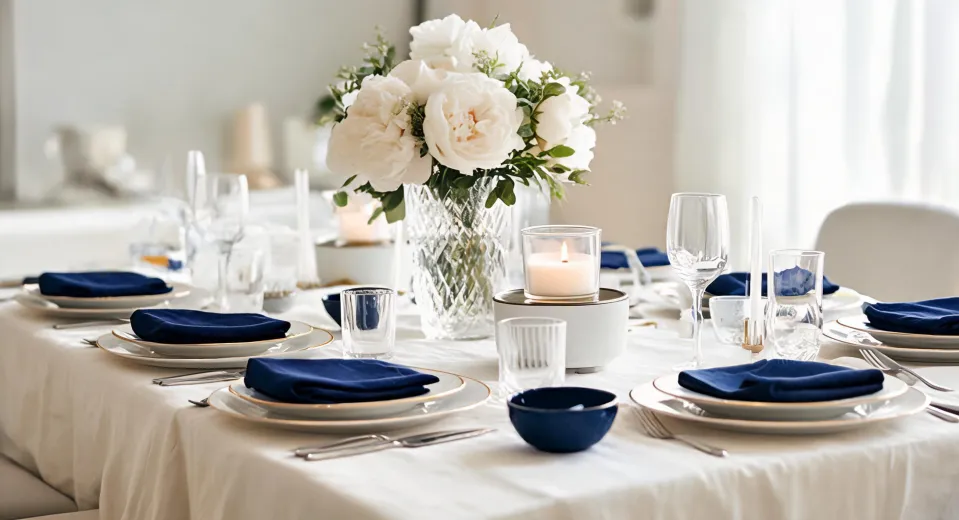
Antique White Bone China listens. It's a quiet ivory canvas. It works with colored napkins, brass candlesticks, fresh herbs, or mismatched vintage teacups. It can survive seasonal decor changes. That might sound boring. It is also why I recommend it to most people who eat from the same dishes daily.
The way I see it, Antique White is the default for daily use because it gets out of your way.
Here's the counterintuitive advice: don't buy the giant boxed set. I know. It's tempting. A 16-piece set gives you a nice lift of boxes on delivery day, but it doesn't always give you the pieces you need. My spreadsheet said a boxed set was cheaper per piece. My gut said buy four place settings, add a serving piece, and fill in with open stock later. I bought the set. When I needed extra salad plates, they were nearly impossible to find. The spreadsheet won, but the spreadsheet was wrong.
For tea sets, the same logic applies. If the tea pot is the gift, Garden Harvest gives it personality. If the tea set is meant to blend with other tableware, choose Antique White. You'll use it more.
And about home decor: if you're asking where to order diamond painting kits because you want a colorful custom piece for your dining room, start with that. Put the visual energy on the wall and keep the dinnerware simple. Swapping a framed art project is easy. Replacing a patterned china set after a style change is not.
Scenario 3: You're buying for a client, a wedding gift, or an event
This is where I've made my most expensive mistakes.
The first was assuming the quoted price was the complete price. In October 2022, I approved a Garden Harvest tea set order for a business client's gift program. The price looked great. No one mentioned that breakage replacement was an extra line item. Three of the twelve teapots arrived with hairline cracks. The supplier said they were 'fine when they left our warehouse.' The client almost canceled the project.
That experience taught me to ask one question before we talk about price:
What's NOT included in this quote?
Shipping? Breakage? Backorder? Pattern-specific lead times? If a vendor lists those details up front, even when the total looks higher, they are usually cheaper in the end. A low quote that hides fees is not a transparent quote.
The upside of the cheaper quote was roughly $600 in savings. The risk was a damaged client relationship. I bet wrong.
For corporate gifts, I typically recommend Antique White if you are adding a logo or monogram. It leaves room for branding and fits more homes. Use Garden Harvest when the gift is supposed to feel seasonal and personal, like a hostess gift with a matching tea set.
Before you place a bulk order, ask one more question:
If I need twelve more teapots in nine months, can you get them?
If the answer is 'probably,' get that in writing. Pattern-specific china can disappear from distribution without notice. I learned that one the hard way.
How to know which scenario you're in
If you're still not sure, try these three questions:
- Are you matching something already in your cupboard? Scenario 1. Photograph the backstamp and compare glaze tone before ordering anything.
- Are you building the daily table you'll live with for a decade? Scenario 2. Imagine what the pattern looks like after fifty meals, not just one.
- Are you accountable to a client or a gift recipient? Scenario 3. Write down the 'what's missing from the quote' list and get everything in writing.
If you want a tie-breaker, use the one I now use with every indecisive buyer: what happens if a piece breaks tomorrow?
If you want a quick replacement, choose Antique White Bone China. If you are okay with hunting for the perfect match, and you like the story that hunt produces, choose Garden Harvest. If you're buying for someone else, ask them that same question.
That one question has saved me more money than any discount code. It won't make the decision more exciting. It will make it honest.

Elise Laurent
Elise Laurent is a crystal and decorative glass quality analyst covering crystal figurines, vases, ornaments, suncatchers, and gift glassware. She examines ISO 6486-1 where food-contact glass dinnerware applies, then uses polarized strain inspection, dimensional checks, surface-defect grading, and refractive clarity to compare decorative pieces outside that scope. Her work helps sourcing teams choose materials, finishing routes, and protective packaging without confusing visual brilliance with verified durability.